
लैब रिपोर्ट कैसे लिखें: Format, Steps और Examples
लेखिका Elena Brooksअंतिम अपडेट: 5 अगस्त 202615 मिनट पढ़ें

लैब रिपोर्ट कैसे लिखें
Lab report लिखने से पहले practical manual, assignment instructions और marking rubric पढ़ें। Original experiment notes और data के आधार पर purpose, method, results, discussion और evidence-based conclusion लिखें। Results में जो देखा या मापा गया है वह दें; Discussion में उसका अर्थ समझाएँ। Submit करने से पहले values, units, calculations, tables, figures और citations को verify करें। Expected answer से मिलाने के लिए data कभी न बदलें।
Requirements
→ Experiment purpose
→ Method
→ Raw data
→ Results
→ Interpretation
→ Conclusion
→ References
→ Final check
एक सामान्य lab report में Title, Abstract जब आवश्यक हो, Introduction, Materials and Methods, Results, Discussion, Conclusion, References और आवश्यकता पर Appendix होते हैं। भारत में कई colleges “practical file” या “record book” format इस्तेमाल करते हैं; इसलिए university, department, faculty और lab manual की वास्तविक requirement सामान्य template से ऊपर है।
छोटा section example
यह काल्पनिक teaching example है, वास्तविक research result नहीं।
Result: Mean dissolving time 20°C पर 182 seconds से घटकर 40°C पर 96 seconds हुआ।
Discussion: 40°C पर छोटा mean time higher temperature में faster particle movement के अनुरूप है, लेकिन tablet size में variation ने measurements को प्रभावित किया हो सकता है।
Result measured pattern बताता है; Discussion उसका meaning और limitation समझाता है।
Acade के साथ अपनी Lab Report शुरू करें
Experiment notes, methods और results को structured report workflow में बदलें, जबकि evidence और final scientific conclusions पर नियंत्रण आपका रहे।
Acade के साथ अधिक स्मार्ट तरीके से शोध करें
साहित्य खोज, शोध डिज़ाइन, लेखन और अन्य कार्यों के लिए एक अकादमिक एजेंट।
मुफ़्त शुरू करें →Lab Report क्या है?
Lab report किसी experiment का structured record और interpretation है। यह बताता है कि experiment क्यों किया गया, वास्तव में क्या किया गया, कौन-सी observations और data collect हुए, results क्या दिखाते हैं, उनकी interpretation क्या है और evidence से कौन-सा conclusion उचित रूप से निकाला जा सकता है।
Lab report केवल procedure दोहराने या पहले से तय answer को सही साबित करने के लिए नहीं है। Credible report method, evidence, interpretation और conclusion के बीच traceable संबंध बनाती है। Unexpected result भी experimental record का हिस्सा है; hypothesis से न मिलने पर उसे छिपाना या बदलना academic misconduct हो सकता है।
Lab Report में क्या शामिल होना चाहिए?
Section | मुख्य उद्देश्य | मुख्य प्रश्न |
|---|---|---|
Title | Experiment पहचानना | क्या study किया गया? |
Abstract | पूरी report summarize करना | क्या किया और पाया गया? |
Introduction | Context और purpose देना | Experiment क्यों हुआ? |
Materials and Methods | वास्तविक process बताना | Experiment कैसे किया गया? |
Results | Observations और data दिखाना | क्या मिला? |
Discussion | Results interpret करना | Findings का अर्थ क्या है? |
Conclusion | Objective का उत्तर देना | Evidence से क्या conclude कर सकते हैं? |
References | Sources document करना | किन sources ने report support की? |
Appendix | Supplementary detail देना | अतिरिक्त information कहाँ है? |
कुछ courses Results और Discussion combine करते हैं, Abstract नहीं माँगते या Conclusion को Discussion में रखते हैं। Assigned format को प्राथमिकता दें।
Lab Report Format और Structure
Formatting में headings, page numbers, margins, font, spacing, table/figure numbering, captions, units, citation style, file type और appendices शामिल हो सकते हैं। हर Indian university के लिए एक ही font या spacing rule नहीं है।
Check करें:
assignment prompt;
practical या lab manual;
marking rubric;
department guide;
faculty instructions;
practical record submission format; और
viva या internal-assessment requirements।
लिखने से पहले Preparation Checklist
[ ] Experiment title/topic
[ ] Research question और objective
[ ] Hypothesis, यदि required
[ ] Independent, dependent और controlled variables
[ ] Materials और instruments
[ ] Actual procedure और deviations
[ ] Raw observations और raw data
[ ] Processed data और calculations
[ ] Units और measurement uncertainty
[ ] Tables और figures
[ ] Unexpected findings
[ ] Sources और required citation style
[ ] Rubric और submission instructions
Missing information का अनुमान न लगाएँ। Record book, instrument output, authorized group data या instructor से verification करें।
Step by Step Lab Report कैसे लिखें
Step 1: Assignment और Rubric पढ़ें
Required sections, word/page limit, citation style, tense/voice, calculations, appendix, data-presentation rules और marking criteria पहचानें। हर criterion को किसी section या final check से map करें। Generic internet template के कारण course requirement न छूटे।
Step 2: Experiment Notes और Data व्यवस्थित करें
Raw data सुरक्षित रखें, raw और processed values अलग करें, units और calculations verify करें, variables label करें और हर table/figure को source data से link करें। Unusual value को expected value से replace न करें।
Completion criterion: Report का हर number raw record या transparent calculation तक trace हो।
Step 3: Experiment Purpose स्पष्ट करें
क्या investigate किया, क्यों, कौन-सा relationship test हुआ और कौन-सा outcome measure किया—इसे specific बनाएँ। “Temperature study करना” broad है; “20°C–40°C में water temperature का standardized tablet के dissolving time पर effect मापना” स्पष्ट objective है।
Step 4: Efficient Order में Draft करें
Methods → Results → Discussion → Conclusion → Introduction → Abstract → Titleयह useful workflow है, compulsory rule नहीं। Verified method और data से शुरू करें, expected story से नहीं।
Lab Report Title कैसे लिखें
Title main subject या tested relationship बताए, specific हो और unsupported result claim न करे।
Weak: Practical 4
Improved: Effect of Water Temperature on the Dissolving Time of an Effervescent Tablet
Abstract कैसे लिखें
Abstract तभी लिखें जब course माँगे। इसे report पूरी होने के बाद लिखें और Purpose → Method → Key result → Main conclusion cover करें। Abstract में body से बाहर की information न जोड़ें और numbers Results से exact match होने चाहिए।
This experiment examined [question] using [brief method]. [Key result] was observed.
The result [supported/did not support] the hypothesis, although [major limitation]
affected interpretation.
Abstract पूरी report summarize करता है; Introduction context देता है; Conclusion objective का अंतिम answer देता है।
Introduction कैसे लिखें
Scientific context → Relevant principle → Experimental problem → Objective → HypothesisWeak: Temperature science में बहुत important है।
Improved: Dissolving rate temperature के साथ बदल सकती है क्योंकि thermal energy particle motion और solute–solvent interaction को प्रभावित करती है। इस experiment ने water temperature का tablet dissolving time पर effect जाँचा।
Introduction को unrelated long literature review न बनाएँ। Scientific principles और previous research को prescribed style में cite करें।
Hypothesis कैसे लिखें
Hypothesis testable हो, variables identify करे और scientific rationale पर आधारित prediction दे।
If [independent variable changes], then [dependent variable is expected to change]
because [scientific rationale].
If–then format हर discipline में mandatory नहीं। Result देखने के बाद original hypothesis बदलना उचित नहीं, जब तक task revised hypothesis न माँगे।
Materials and Methods कैसे लिखें
Actual materials, equipment, design, variables, controls, replication, measurement procedure, data processing और required safety/ethics information दें। Procedure chronological या logical हो और meaningful deviations honestly record हों।
Actual work लिखें, invented detail नहीं।
Relevant quantity, unit और settings दें।
Results को Methods में न रखें।
Lab manual word-for-word copy न करें; requirement पर cite करें।
Tense और voice के लिए faculty guidance follow करें।
Results Section कैसे लिखें
Results observations, measurements, calculated values, patterns, statistics, tables और figures report करता है। यहाँ extensive causal explanation, new theory, hidden unexpected data या table के हर number की repetition न करें।
Illustrative example: Mean dissolving time temperature बढ़ने पर कम हुआ: 20°C पर 182 seconds, 30°C पर 131 seconds और 40°C पर 96 seconds। 30°C trials में variation सबसे अधिक था। एक longer trial को data में retain किया गया।
Tables और Figures कैसे प्रस्तुत करें
Exact values के लिए table; trend/relationship के लिए figure।
Unique numbering और clear caption दें।
Axes, columns और units label करें।
Text में हर table/figure refer करें।
Source data से values match करें।
Misleading scale न चुनें।
Error bars का meaning बताएँ।
External images/data को cite करें।
Results vs Discussion
Results | Discussion |
|---|---|
क्या observe हुआ बताता है | Observation का meaning समझाता है |
Measurements और calculations देता है | Scientific reasoning से जोड़ता है |
Patterns identify करता है | Patterns interpret करता है |
Tables/figures शामिल करता है | Implications और limitations discuss करता है |
Result: 40°C पर mean time 20°C से 86 seconds कम था।
Discussion: छोटा time faster molecular motion के अनुरूप है, पर uncontrolled tablet surface area ने difference को प्रभावित किया हो सकता है।
Discussion Section कैसे लिखें
Main finding restate करें।
Evidence से hypothesis evaluate करें।
Scientific concepts से pattern explain करें।
Expected या published pattern से उचित तुलना करें।
Unexpected findings address करें।
Uncertainty और specific limitations discuss करें।
Reasonable improvement या future investigation सुझाएँ।
Observation, interpretation, evidence और speculation अलग रखें। “Data show,” “is consistent with,” और “one possible explanation” अलग certainty दर्शाते हैं।
Experimental Error और Limitations कैसे Discuss करें
सिर्फ “human error” पर्याप्त नहीं। Specific source, likely effect, importance और improvement बताएँ। Random तथा systematic error को course requirement पर अलग करें। ऐसी error न गढ़ें जो हुई ही नहीं।
Weak: Human error affected the results.
Improved: Endpoint manual timing से निर्धारित था, इसलिए reaction-time variation ने trial spread बढ़ाया हो सकता है। Video या automated sensor अधिक consistent measurement दे सकता है।
Lab Report Conclusion कैसे लिखें
Purpose → Main finding → Hypothesis outcome → Scientific meaning → Major limitationConclusion objective पर लौटे, मुख्य result दे, evidence से hypothesis evaluate करे, defensible interpretation दे और relevant limitation रखे। New evidence न जोड़ें।
Weak: Experiment successful था और उसने prove किया कि hot water tablet जल्दी dissolve करता है।
Improved: Tested range में temperature बढ़ने पर mean dissolving time घटा, जिससे hypothesis की predicted direction support हुई। Pattern higher temperature पर faster particle interaction के अनुरूप है, हालांकि manual timing और unmeasured tablet-size variation comparison की precision सीमित करते हैं।
Conclusion Checklist
[ ] Purpose का answer है?
[ ] Main result स्पष्ट है?
[ ] Hypothesis evidence से evaluate हुई?
[ ] Interpretation design के proportion में है?
[ ] Relevant limitation है?
[ ] New evidence नहीं है?
[ ] “Successful” को unexplained judgment की तरह नहीं लिखा?
Acade से Data-Supported Conclusion Draft करें
Abstract और Conclusion में अंतर
Abstract पूरी report के purpose, method, result और conclusion को summarize करता है तथा शुरुआत में दिखता है। Conclusion report को close करता है, objective के answer और significance पर focus करता है। दोनों में Results से बाहर की finding नहीं होनी चाहिए।
Sources कैसे Cite करें
Scientific theory, background, standard methods, published values, external datasets, images, definitions और previous research claims के लिए citation आवश्यक हो सकता है। In-text citation और reference list match करें; DOI/URL, author/year और quotation verify करें। भारत में APA, MLA, IEEE, Vancouver या university-specific format common हैं—actual requirement follow करें।
कौन-सा Tense और First Person इस्तेमाल करें?
Methods और observed Results प्रायः past tense में होते हैं; established scientific knowledge present tense में हो सकता है। Discussion context के अनुसार tense बदल सकता है। कुछ faculty first person allow करती हैं, कुछ passive या impersonal style पसंद करती हैं। Clarity और actual instructions को प्राथमिकता दें।
Complete Worked Example
Teaching purpose के लिए fictional example. सभी values काल्पनिक हैं।
Question: 20°C–40°C में water temperature tablet dissolving time को कैसे प्रभावित करता है?
Hypothesis: Temperature बढ़ने पर dissolving time घटेगा।
Variables: IV water temperature; DV time in seconds; controls water volume, container, product और endpoint.
Method: 20°C, 30°C और 40°C conditions में 200 mL water इस्तेमाल हुआ। Tablet immersion से visible bubbling stop होने तक manual timing हुई। हर condition में तीन trials किए गए।
Temperature | Trial 1 | Trial 2 | Trial 3 | Illustrative mean |
|---|---|---|---|---|
20°C | 176 s | 185 s | 185 s | 182 s |
30°C | 124 s | 147 s | 122 s | 131 s |
40°C | 92 s | 98 s | 98 s | 96 s |
Results: Mean time 182 से 131 और 96 seconds तक घटा। 30°C condition में spread अधिक था।
Discussion: Pattern hypothesis की direction support करता है और higher temperature पर faster particle movement के अनुरूप है। Manual endpoint और unmeasured tablet dimensions variation ला सकते हैं।
Conclusion: Illustrative dataset में higher temperature shorter mean dissolving time से associated था। यह universal causal rate सिद्ध नहीं करता। Automated endpoint और measured tablet dimensions precision improve कर सकते हैं।
Common Mistakes
गलती | समस्या | बेहतर तरीका |
|---|---|---|
Rubric ignore करना | Required evidence छूटता है | हर criterion map करें |
Manual copy करना | Actual method record नहीं होता | वास्तविक procedure summarize करें |
Results/Discussion mix करना | Evidence और inference अस्पष्ट | पहले report, फिर interpret |
Unexpected data hide करना | Record distort होता है | Include और discuss करें |
Unlabeled graph | Data समझना कठिन | Number, caption, axes, units दें |
Unsupported causation | Design से अधिक claim | Proportional language उपयोग करें |
हर limitation “human error” | Mechanism नहीं बताता | Specific measurement issue लिखें |
Conclusion में new data | Earlier evaluation संभव नहीं | Evidence Results में रखें |
Units inconsistent | Comparison और calculation गलत | Standardize और verify करें |
AI output unverified | Interpretation गलत हो सकती है | Raw data और sources से check करें |
Missing detail invent करना | Record falsify होता है | Gap mark कर authorized clarification लें |
Lab Report Quality Checklist
[ ] Assigned structure, length, format और citation style follow हैं।
[ ] Purpose, question, hypothesis और variables clear हैं।
[ ] Methods actual procedure, controls, replication और deviations बताते हैं।
[ ] Results raw record, calculations और units से match करते हैं।
[ ] Tables/figures numbered, labeled और text में referenced हैं।
[ ] Unexpected findings retain हैं।
[ ] Discussion evidence interpret करती और limitations specific रखती है।
[ ] Claims evidence से stronger नहीं हैं।
[ ] Conclusion purpose answer करता और new evidence नहीं जोड़ता।
[ ] Citations references से match हैं।
[ ] Final PDF/DOCX export check हुआ है।
Acade के साथ अपनी Lab Report Complete करें
क्या AI Lab Report लिखने में मदद कर सकता है?
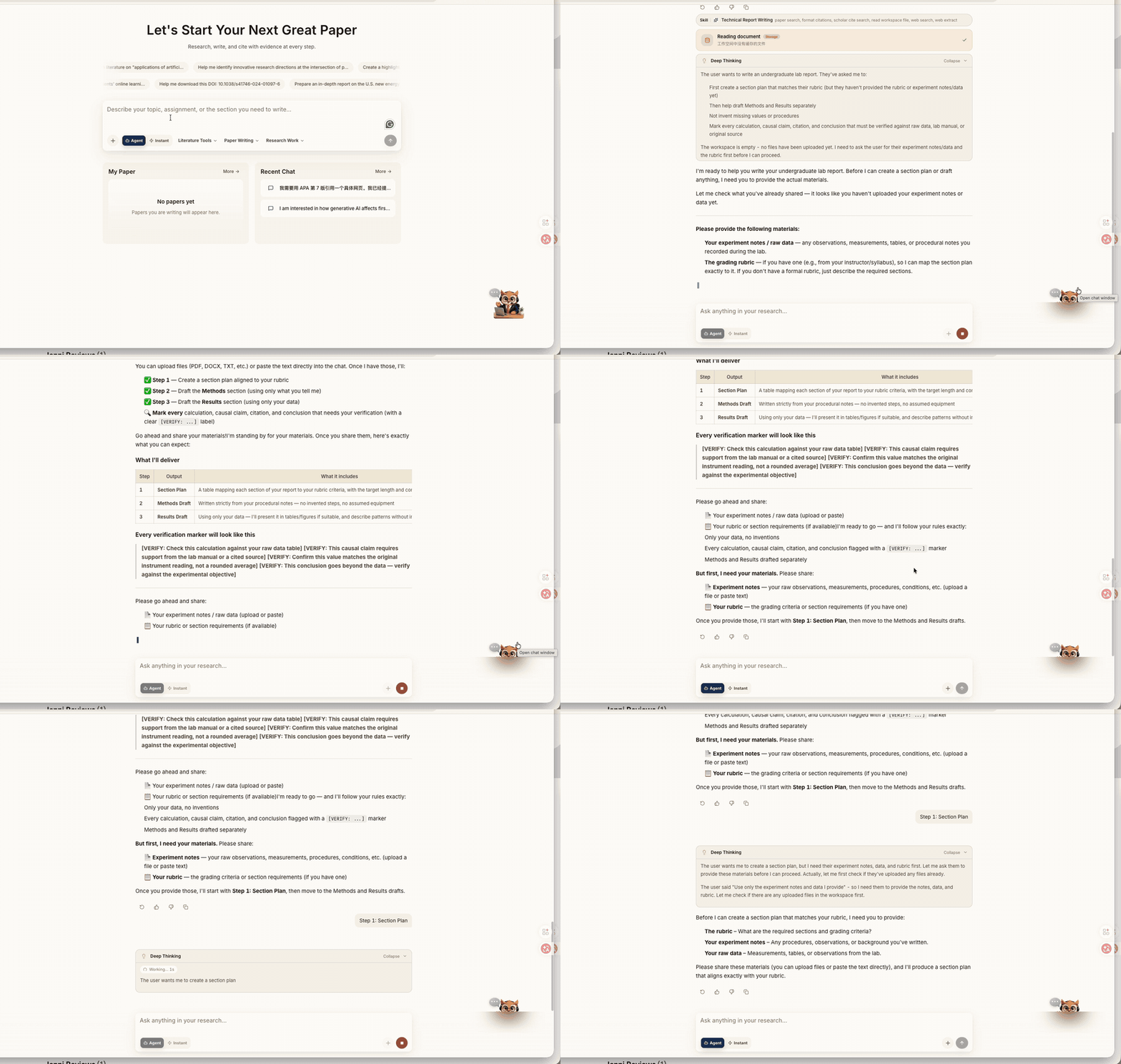
AI notes organize, section plan, language clarity, missing elements, Results–Discussion distinction, consistency, citation organization और revision checklist में मदद कर सकता है। AI experiment conduct, missing observation supply, हर calculation verify या evidence validity decide नहीं कर सकता। Data, procedure, citation या result fabricate करने के लिए AI का उपयोग न करें।
Acade Lab Report में कैसे मदद करता है
Discipline, experiment और rubric दें।
Purpose, research question और hypothesis organize करें।
Verified record से report structure बनाएँ।
Methods, Results और Discussion अलग draft करें।
Data-analysis notes और table/figure description organize करें।
Reported evidence से bounded conclusion draft करें।
Language, structure और internal consistency review करें।
Current plan support के अनुसार citations organize करें।
Raw data और rubric से final comparison करें।
Acade research design, data-analysis workflow, academic writing, polishing, literature search, research library और citation-related work में current product/plan के अनुसार सहायता कर सकता है। Features, Credits, price, Citation और Knowledge Base availability बदल सकती है; latest information check करें। Grade, publication, perfect accuracy या automatic data verification की guarantee नहीं है। Final responsibility student/researcher की है।
Acade Task Prompt
मैं undergraduate practical lab report लिख रहा/रही हूँ। केवल मेरे दिए notes और data
का उपयोग करें। Rubric के अनुसार section plan बनाएँ और Methods तथा Results अलग draft
करने में सहायता करें। Missing values या procedures invent न करें। हर calculation,
causal claim, citation और conclusion को manual verification checklist में रखें।
FAQ
Lab report क्या है?
यह experiment के purpose, actual method, observations, data, interpretation और evidence-based conclusion का structured account है। इसका लक्ष्य expected answer साबित करना नहीं, बल्कि method, evidence और conclusion के संबंध को reader के लिए evaluable बनाना है।
Lab report कैसे लिखते हैं?
Rubric पढ़ें, original notes/data organize करें, purpose और hypothesis स्पष्ट करें, actual method लिखें, Results सही report करें, Discussion में interpret करें और evidence-based Conclusion बनाएँ। अंत में tables, figures, calculations, citations और raw data verify करें।
सही format क्या है?
Universal format नहीं है। Title, Introduction, Methods, Results, Discussion, Conclusion और References common हैं; Abstract/Appendix requirement पर निर्भर हैं। University, faculty और lab manual की instructions प्राथमिक हैं।
Results और Discussion में अंतर क्या है?
Results बताता है कि क्या observe या calculate हुआ। Discussion उसका meaning, scientific explanation, hypothesis outcome और limitations बताती है। Combined section में भी evidence और interpretation अलग दिखने चाहिए।
Conclusion कैसे लिखें?
Purpose पर लौटें, main finding दें, hypothesis evaluate करें, defensible meaning लिखें और relevant limitation रखें। New data न जोड़ें और केवल “experiment successful था” न लिखें।
Abstract जरूरी है?
केवल जब course या department माँगे। इसे report पूरी होने के बाद purpose, method, key result और conclusion के साथ लिखें और Results से numbers match करें।
Citation चाहिए?
Scientific theory, standard method, published values, external data, figures और prior research के लिए प्रायः चाहिए। Prescribed APA, MLA, IEEE, Vancouver या university format follow करें।
AI मदद कर सकता है?
हाँ, organization और drafting में; लेकिन experiment, missing data, calculation verification या scientific judgment में नहीं। AI output को raw record, manual, rubric और sources से verify करें।
निष्कर्ष
अच्छी lab report purpose और method से data, interpretation और conclusion तक traceable chain बनाती है। Methods बताता है क्या किया, Results क्या मिला और Discussion उसका अर्थ। Conclusion evidence से आगे नहीं जाना चाहिए।
Acade के साथ Lab Report Complete करें
Acade को discipline, experiment, rubric, available notes, data और constraints बताएँ। उसे अगला task organize करने दें, जबकि evidence, scientific judgment, academic integrity और final submission आपके नियंत्रण में रहें।
लेखिका के बारे में
Elena Brooks
Acade में अकादमिक शोध सामग्री संपादक
Elena Brooks Acade में अकादमिक शोध सामग्री संपादक हैं। वह साहित्य अनुसंधान, शोध डिज़ाइन, अकादमिक लेखन और विद्वतापूर्ण कार्य में AI के जिम्मेदार उपयोग पर व्यावहारिक तथा साक्ष्य-आधारित सामग्री तैयार करती हैं। वह Acade की उत्पाद टीम के साथ शोध कार्यप्रवाहों का मूल्यांकन, उत्पाद क्षमताओं का सत्यापन और जटिल अकादमिक प्रक्रियाओं को छात्रों व शोधकर्ताओं के लिए स्पष्ट मार्गदर्शन में बदलने का काम करती हैं।
Acade के साथ अधिक स्मार्ट तरीके से शोध करें
साहित्य खोज, शोध डिज़ाइन, लेखन और अन्य कार्यों के लिए एक अकादमिक एजेंट।
मुफ़्त शुरू करें →किसी क्रेडिट कार्ड की आवश्यकता नहीं.